TL;DR
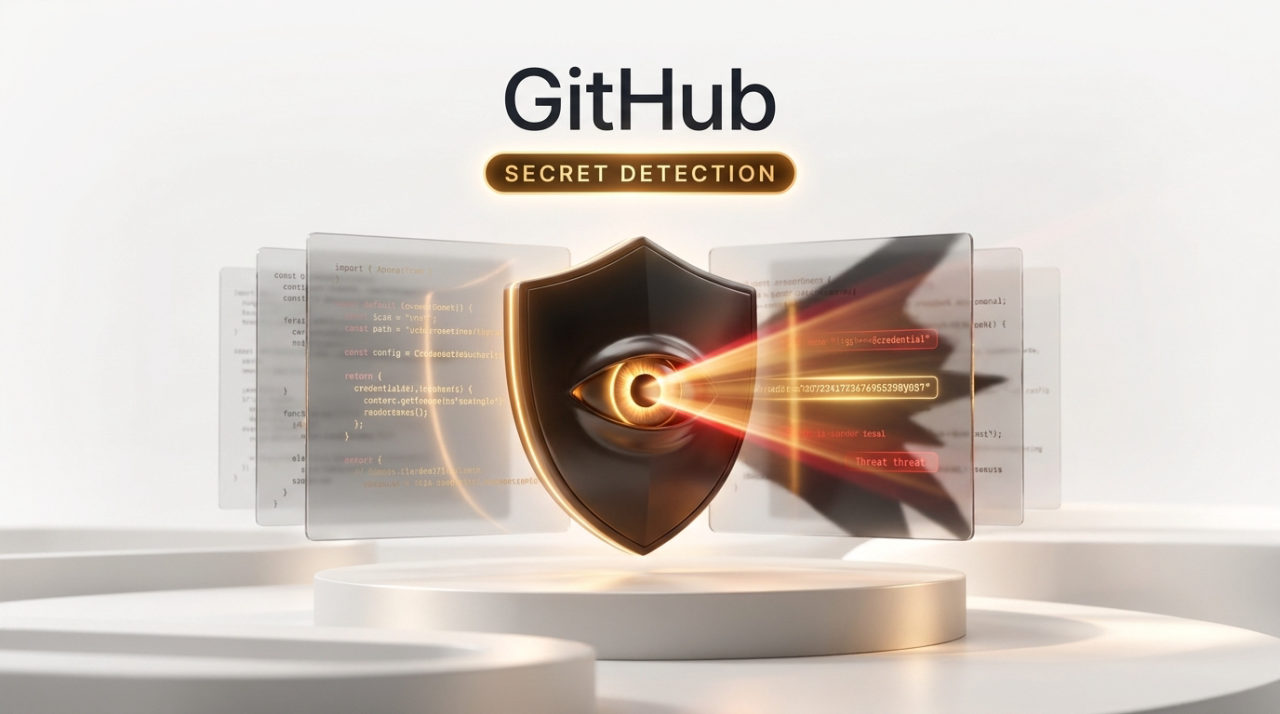
- GitHub deployed a purpose-built AI model that detects secrets by reading surrounding code context, identifying credentials including passwords without standard token formats.
- AI-detected password alerts are now automatically enabled for existing customers at no additional cost; new push protection and Copilot security-review checks will consume GitHub AI Credits.
- AI secret detection is available in push protection (private preview) and the Copilot security-review command (coming soon), with eligibility varying by GitHub plan and Copilot subscription type.
- Administrators can disable these capabilities by policy and set budgets for AI Credit usage through the Billing and licensing section.
- Model scope
- Detects passwords
- Existing alerts
- Automatic upgrade at no
- New features
- Push protection and Copilot
What happened
GitHub announced a purpose-built AI model designed for detecting leaked secrets in developer workflows. The model reads surrounding code to identify likely credentials, including passwords that lack a recognizable token format, without generating new code or text. The announcement covers three areas where this model is being deployed: secret scanning alerts, push protection, and GitHub Copilot security reviews.
What changed
Customers with AI-detected password alerts have already been automatically upgraded to the new model. This upgrade occurs at no additional charge for GitHub Secret Protection (GHSP) and GitHub Advanced Security (GHAS) subscribers, and these scans remain included in their existing plans.
AI-detected secrets in push protection is currently in private preview. This feature performs checks at push time, giving developers an opportunity to remove a secret before it enters the repository history. It is available to organizations and enterprises on GitHub Team or GitHub Enterprise Cloud with GHSP or GHAS purchased; an administrator must enable it according to organizational policies.
GitHub Copilot security reviews will soon include AI-based secret scanning through the /security-review command in the Copilot CLI and Copilot app. This command reviews active changes for security vulnerabilities and returns prioritized findings with remediation suggestions. The new secret checks will be disabled by default and require explicit opt-in.
The model is also coming to GitHub Enterprise Server version 3.23 in public preview, included with existing GHSP and GHAS purchases at no additional cost.
Billing and credit consumption
Existing AI-detected password alerts remain included in GHSP and GHAS at no additional charge. However, the new opt-in features—AI-detected secrets in push protection and AI-based secret scanning in the /security-review command—will consume GitHub AI Credits starting in the coming weeks.
For push protection, AI Credit usage is billed to the organization that owns the repository. A check can consume credits even if it does not block a push. In enterprise-managed user (EMU) repositories, usage is attributed to the pusher and applied to their allocated credits.
For the Copilot security-review command, usage is billed to the account associated with the active Copilot plan and is reported under GHSP in AI usage insights. These checks do not require a GHSP or GHAS license; they are eligible for individual Copilot plans (Pro, Pro+, Max, Free, and Student) as well as Copilot Business and Copilot Enterprise subscriptions.
Administrators can set dedicated budgets through the Billing and licensing section by selecting Budgets and alerts, then choosing SKU-level budget, Advanced Security as the product, and Secret Protection AI Credits as the SKU. Budget alerts alone do not stop usage; administrators must configure the stop usage option where available to enforce a spending cap.
Eligibility by plan
On GitHub Team and GitHub Enterprise Cloud, AI push protection requires paid GHSP or GHAS coverage; public, private, and internal repositories can qualify. For GitHub Enterprise Cloud with data residency, Copilot Business and Enterprise are supported for the security-review command, with AI push protection planned for users with GHSP or GHAS coverage.
On GitHub Enterprise Server, the new model is planned for AI-detected alerts in version 3.23 at no additional charge with GHSP or GHAS. AI push protection and the Copilot security-review command are not part of this Server release.
Individual Copilot plan holders (Pro, Pro+, Max, Free, and Student) are eligible for security-review checks with the new model, subject to access controls and credit consumption, and do not require GHSP or GHAS licensing. Copilot Business and Copilot Enterprise subscribers are eligible for these checks on supported platforms, though these subscriptions do not replace the GHSP license required for AI push protection.
Access and spending controls
Organization and enterprise administrators can disable the new capabilities by policy and manage AI Credit budgets. Opting in to the new features will not override existing policy or budget controls. If an organization is already using AI push protection in private preview, continued use after the billing change takes effect will consume AI Credits; administrators should disable it beforehand if they do not want this usage.
For agents and automation, the source notes that agents should not enable credit-consuming features or change policies or budgets without explicit authorization.
Source
GitHub Changeloghttps://github.blog/changelog/2026-10-07-purpose-built-model-for-leaked-secret-detectionAI-assisted, verified against the source. This post was drafted with AI from the primary source linked above and checked automatically against it. For anything you depend on, read the original.
- #github
- #ai
- #secretdetection
- #security
- #devops